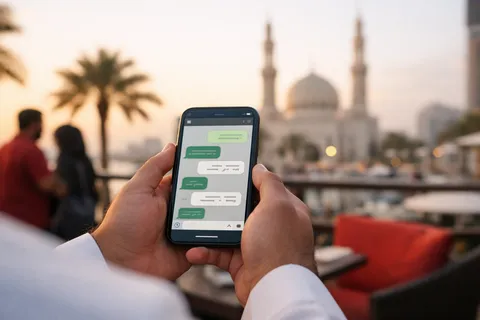
In cities like Dubai, London or Toronto, a small business can serve customers in a dozen languages in a single week. Hiring for each is impossible, and translating every answer by hand is slow. AI assistants have made multilingual support practical for small teams for the first time.
Find out which languages matter
Look at the names in your customer list, the languages in your messages and the countries in your website analytics. Usually two or three languages cover most customers.
Keep one source of truth
Maintaining a price list in five languages means five chances to get a price wrong. Keep one version of your facts, in the language you work in.
An assistant like Selo Assist answers each customer in their language while taking the facts from that single source.
Let the customer choose the language
Do not force visitors to pick a language from a menu. Let them write the way they are comfortable, including mixed messages and dialects, and reply in kind.
For right-to-left languages such as Arabic and Urdu, the chat layout should switch direction too.
Know when a native speaker is needed
Routine answers translate well. Complaints, negotiations and sensitive matters are better handled by a person who speaks the language, or carefully in a shared one.
Review a few conversations in your main languages from time to time to check the tone.
Show customers they are welcome
A greeting in two languages, a note on your contact page, and staff names in the inbox make customers more comfortable writing in their own language.